What's Really Happening with Ceramic Implants? A Practical Look at Zirconia
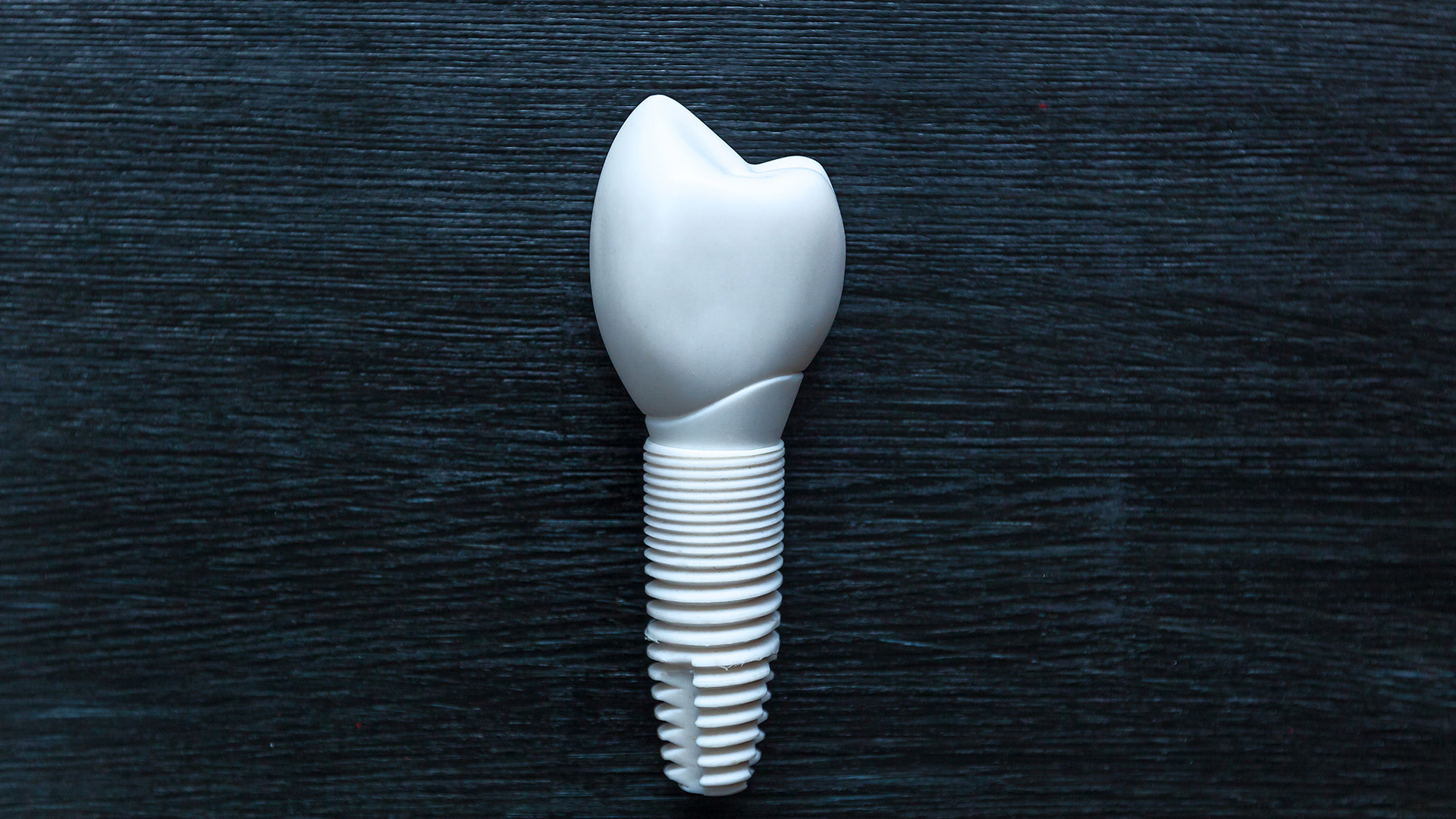
In this article, we break down what’s really happening with ceramic implants—how modern zirconia is changing the game, when it works best, and what clinicians need to know before making the switch.
Research your audience thoroughly to adapt content
Venenatis sollicitudin posuere elit consequat et enim. Neque tortor amet dictum tempor. Leo facilisis aliquet viverra scelerisque eleifend viverra est. At massa erat vel amet enim laoreet dictum pellentesque. Urna cursus quam pulvinar tellus. Duis fermentum nibh volutpat morbi. Et ac sed ultricies ut nunc sodales lectus. Ultricies pharetra mauris eget pellentesque accumsan tincidunt. Orci hendrerit cursus est.
Set a clear objective for your presentation
Et urna ac et maecenas fusce amet. Nibh nec commodo massa sed. Tincidunt porttitor in pharetra egestas sit neque ac lacus. Amet a nunc et cum. Odio at volutpat volutpat in leo eget ipsum diam elementum. Erat magna arcu orci lorem senectus orci fringilla. Tincidunt metus nisl vitae maecenas pretium aliquet. At id pharetra in vestibulum lectus pellentesque venenatis molestie. Nibh ut facilisis.
- Morbi fringilla molestie magna sed dictum. Praesent pharetra turpis augue.
- Cras mi purus, viverra vitae felis sit amet, tincidunt fringilla lorem.
- non mattis urna ex nec sem. Donec varius diam et suscipit venenati proin tincidunt
- Quisque euismod posuere lacus sit amet volutpat. Praesent vel imperdiet

Avoid filling slides with text
Cursus curabitur euismod vel fermentum sapien non dolor odio vel. Tortor lectus mauris in praesent a tincidunt nam. In aenean odio aliquet pretium viverra elit quis magna. Eget ut risus posuere velit purus nisi nec sollicitudin. Tellus enim interdum neque sit vestibulum lacus. Nam pulvinar a lectus justo aliquet integer amet.
“Sed id mi eget urna facilisis pharetra. Nunc viverra est at magna maximus consectetur. Sed nec maximus augue. Aliquam commodo sem eu nisl efficitur venenatis. Proin eu suscipit lorem. Nam vitae aliquet augue. Morbi rutrum ultrices lorem molestie suscipit. Sed mattis luctus odio eu porta.”
Practice your speech so that it flows naturally and maintains an appropriate rhythm
Sed non quis tellus velit orci. Quam sed mauris elementum tempor viverra. Luctus semper risus ipsum id diam praesent. Pretium eget mauris ultrices curabitur sed sem amet. Erat nulla habitant in mattis massa mi adipiscing ullamcorper condimentum. Erat quisque integer tincidunt ac amet tempor vulputate tristique. Venenatis neque odio a nulla iaculis euismod etiam.
- Morbi fringilla molestie magna sed dictum. Praesent pharetra turpis augue.
- Cras mi purus, viverra vitae felis sit amet, tincidunt fringilla lorem.
- non mattis urna ex nec sem. Donec varius diam et suscipit venenati proin tincidunt
- Quisque euismod posuere lacus sit amet volutpat. Praesent vel imperdiet
Integrate videos, animations or visual demonstrations to make the presentation more dynamic
Sed non quis tellus velit orci. Quam sed mauris elementum tempor viverra. Luctus semper risus ipsum id diam praesent. Pretium eget mauris ultrices curabitur sed sem amet. Erat nulla habitant in mattis massa mi adipiscing ullamcorper condimentum. Erat quisque integer tincidunt ac amet tempor vulputate tristique. Venenatis neque odio a nulla iaculis euismod etiam.
Simplify complex concepts so everyone can understand
Sed non quis tellus velit orci. Quam sed mauris elementum tempor viverra. Luctus semper risus ipsum id diam praesent. Pretium eget mauris ultrices curabitur sed sem amet. Erat nulla habitant in mattis massa mi adipiscing ullamcorper condimentum. Erat quisque integer tincidunt ac amet tempor vulputate tristique. Venenatis neque odio a nulla iaculis euismod etiam.
You know that patient who comes in asking about "metal-free" options? Let's talk about what we're actually offering them when we mention zirconia implants. The material itself—zirconium dioxide stabilized with yttria, not just pure zirconium—has come a long way from those early ceramic attempts that made us all nervous. What makes modern zirconia interesting is something called transformation toughening: when the material experiences stress, it undergoes a phase change that actually helps resist crack propagation. Combined with its naturally low plaque affinity, this gives us a real alternative for patients with legitimate metal concerns. The shift toward ceramics reflects what many of us are seeing—more patients want materials that work with their biology, not just sit in it.
Remember those early ceramic disasters? Brittle fractures, surfaces that wouldn't integrate, designs that limited our options—we've all heard the stories. What changed the game was better manufacturing: refined grain sizes, controlled porosity, and surface treatments that actually encourage bone cells to attach without compromising the ceramic's integrity. These aren't just prettier abutments anymore. Current research shows zirconia implants achieving a 10-year survival rate around 95%, though we need to be honest about what's driving those numbers. The key is knowing which cases are right for ceramic and having the surgical discipline to support them.
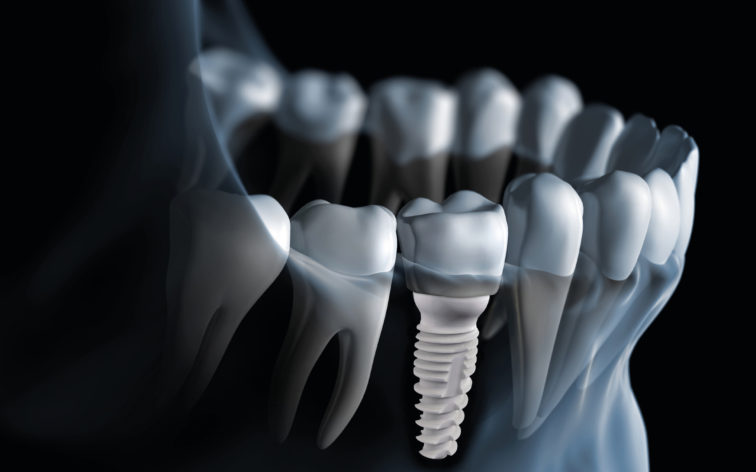
Here's what really determines success: it's not just about picking zirconia over titanium. The macro-design affects how forces transfer to crestal bone, the surface chemistry influences early healing, and your restorative approach shapes everything from load distribution to how cleanable the site will be five years out. One-piece versus two-piece designs behave completely differently, affecting not just prosthetic flexibility but how you'll approach maintenance. Your surgical protocol matters enormously—protecting blood supply, minimizing thermal damage, staging the load when indicated. And those emergence profiles we plan? They need to prioritize patient cleansability over Instagram-worthy pink tissue, because that's what survives long-term.
We also can't ignore the patient factors that make or break any implant. A patient with uncontrolled diabetes, poor sleep, or heavy parafunction isn't suddenly a great candidate just because we switched to ceramic. Zirconia can help reduce galvanic reactions and metal ion exposure for specific patients—and yes, the esthetics in thin biotypes can be superior. But here's the truth: the material is a tool that amplifies good technique; it doesn't rescue poor planning. Occlusal management, staged loading, and honest patient selection still matter more than the implant composition.
The narrative has matured. We're not just saying "ceramic for looks" anymore—we're seeing "ceramic for biological harmony when properly applied." The evidence is still differentiating between legacy systems and current-generation designs, which is why your documentation matters. Track your protocols, photograph everything, use consistent probing and PROMS at recall. When enough of us share real outcomes—complications included—we'll refine the indication sweet spots together. That's how biological dentistry evolves: transparent data, honest conversations, and continuous learning from what actually happens in practice.

Dr. Ralph K. Mensah, DDS, FICOI, AIAOMT
Dr. Ralph K. Mensah is a dedicated holistic dentist based in Chapel Hill, NC, with a passion for integrating biological principles and cutting-edge dental technology to provide comprehensive care. As the son of Ghanaian immigrants, Dr. Mensah has lived in various parts of the United States, but North Carolina has been his home for most of his life. His early focus on academic excellence laid the foundation for his successful dental career.